
Paper Towns by John Green
I love me some John Green just as much as the next YA reader, but Paper Towns fell short of my expectations. With the upcoming movie release, and a weekend at my aunt's house where I was able to snag a copy off my cousin's nightstand, it was easy to immerse myself in the first 100 pages. Margo Roth Spiegleman, John Green's version of a literal girl-next-door femme fatale intrigued me with her literariness and wanderlust. I simply couldn't resist the allusions to Whitman and American folk music. But the novel's first-person narrator, Quentin Jacobson, who has been in love with Margo since early childhood, and his search to find Margo felt contrived and a bit pathetic. The novel's themes of growing up, transcending high school's cliche cliquiness and the characters' sugary nostalgia even BEFORE leaving for college made me a little sick. However, the novel itself with Green's witty characters and snarky description made for enjoyable prose even when the story itself fell short.
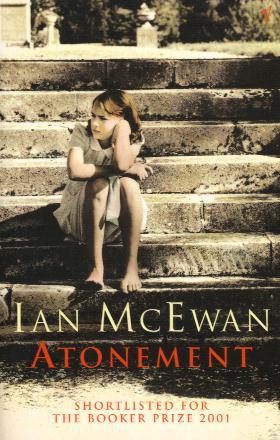 Atonement by Ian McEwan
I was amazed by this novel's structure as it questions the role fiction plays in our lives. 13-year-old Briony Tallis witnesses two unspeakable acts between her older sister Cecilia and the son of one of the family's staff, Robbie. What Briony sees from her bedroom window and later in the library in the summer of 1935 immediately distorts her vision and testimony of the events that transpire over the next 12 hours at the Tallis Mansion. Into the future the characters are unable to escape the consequences of that fateful summer day as the novel jumps ahead to Robbie joining the British retreat near Dunkirk in the Spring of 1940. This novel contains some of the most graphic and bloody WWII description I have read yet. Next, we learn Cecilia has become a nurse in London, and we see Briony has become a nurse in training despite her literary aspirations as a child. The sisters have not spoken in years, and still Briony is attempting to find atonement for her childish actions from that summer day in 1935. This novel's structure and themes beg readers to consider how shame and forgiveness shape our lives, and whether who we are most unforgiving to is ourselves, just as McEwan describes, “How guilt refined the methods of self-torture, threading the beads of detail into an eternal loop, a rosary to be fingered for a lifetime.”

No comments:
Post a Comment